Downtown Calgary
A surface Green Line won the downtown vote. Now comes the street.
Executive Committee chose an at-grade Green Line on 10 Avenue to 2 Street S.W. The route is clearer; the block-by-block experience still needs work.
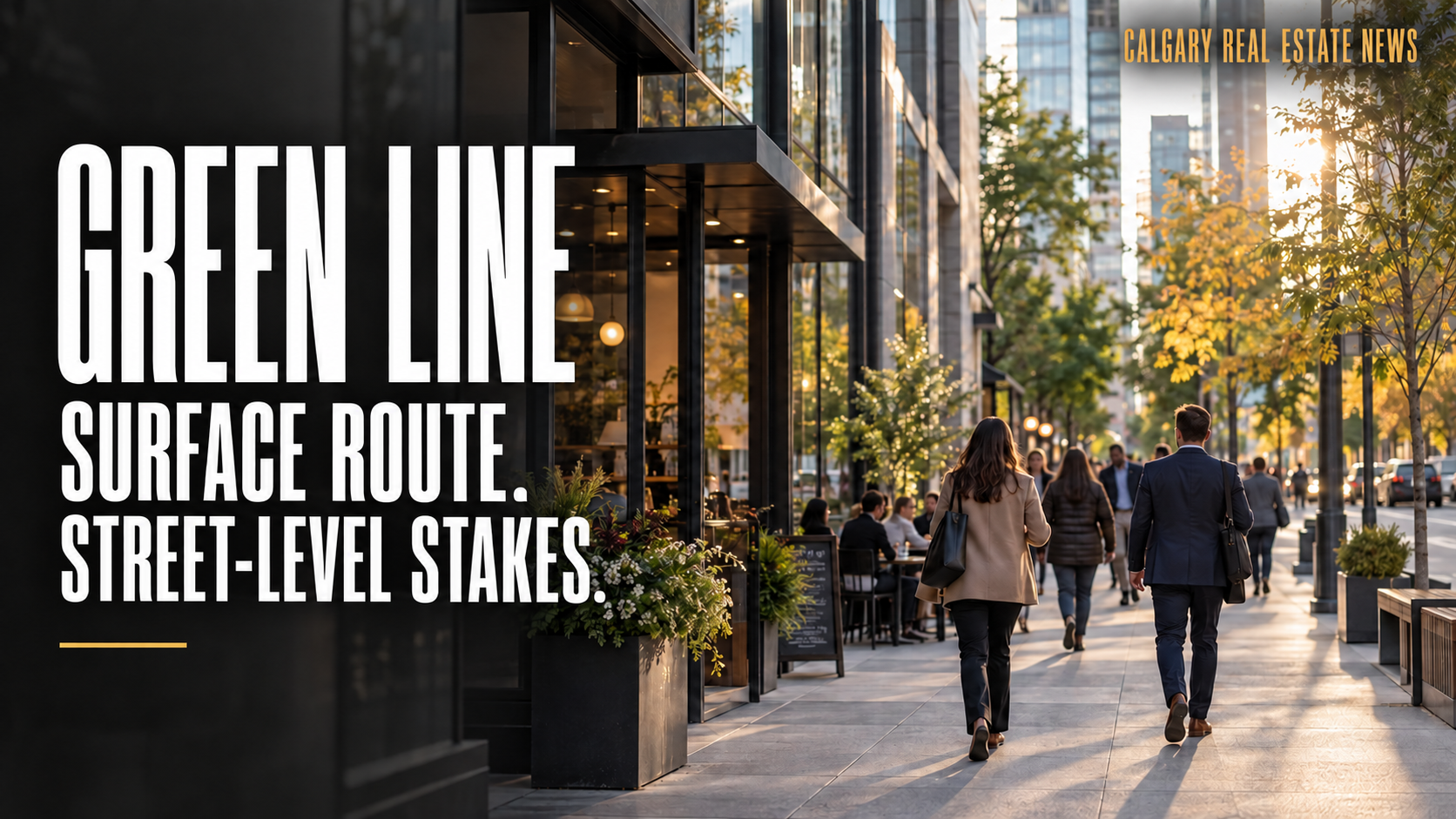
Update, September 12: Calgary's Executive Committee has chosen the surface option for the Green Line's Downtown Segment. The train is now planned to run at grade along 10 Avenue from the Event Centre/Grand Central Station to 2 Street S.W. The two elevated alternatives in our original preview did not advance.
That settles the biggest route question from the September 8 discussion. It does not turn the downtown segment into a finished street design or a construction notice. The City says design, planning and procurement can now proceed alongside targeted engagement with the property and business owners who meet the line at their doors.
One lane each way — and a lot happening between them
The City describes the LRT running down the centre of 10 Avenue, with one traffic lane maintained on either side for access to parkades and businesses. That is a useful commitment, but it is also where the next round of practical questions begins.
A lane on a plan does not yet show how a delivery arrives, how a driver turns into a parkade or where someone on foot waits to cross. Those details can shape an ordinary morning for residents, office workers and storefronts long before anyone has an opinion about the train itself.
The station at 10 Avenue and 2 Street S.W. is also planned with climate-controlled pedestrian access into the Plus 15 network. The City says that link would connect riders toward the Red and Blue lines, four MAX bus rapid transit routes and downtown office towers. Improvements to the pedestrian underpass at 1 Street S.W. are part of the plan as well.
The route is clearer. The walk still matters.
For a passenger, the map now gives a firmer answer about where the train goes. The more revealing test will be the last few minutes: leaving the platform, finding the right door, crossing 10 Avenue and reaching a home, office or restaurant without the route feeling like an obstacle course.
A surface line puts those interactions in plain view. Station entrances, crossings, loading, cycling space, winter maintenance and business visibility will all compete for attention on the same blocks. The choice creates an opportunity for a legible downtown connection, but it does not guarantee one.
That is why the real estate story is not a quick list of winners and losers. A transit alignment alone cannot support a responsible property-value forecast. What matters next is how the design handles access and public space for the people already using the street — and how clearly disruption is planned and communicated when construction details arrive.
Downtown has a direction; the wider network has homework
Construction on the southeast segment from Shepard to the Event Centre/Grand Central Station has been underway since June 2025. The committee also asked for updated planning and cost work on the extension south from Shepard to Seton, the north corridor and the full MAX Green bus rapid transit line from Keystone Hills to downtown.
The Green Line team is due back at Executive Committee on November 3 with updates on that wider work. For downtown property and business owners, the nearer-term watch is more local: the drawings, access plans and engagement that turn a centre-running line on 10 Avenue into a street people can actually use.
Continue reading
City and Policy · Sep 20, 2026
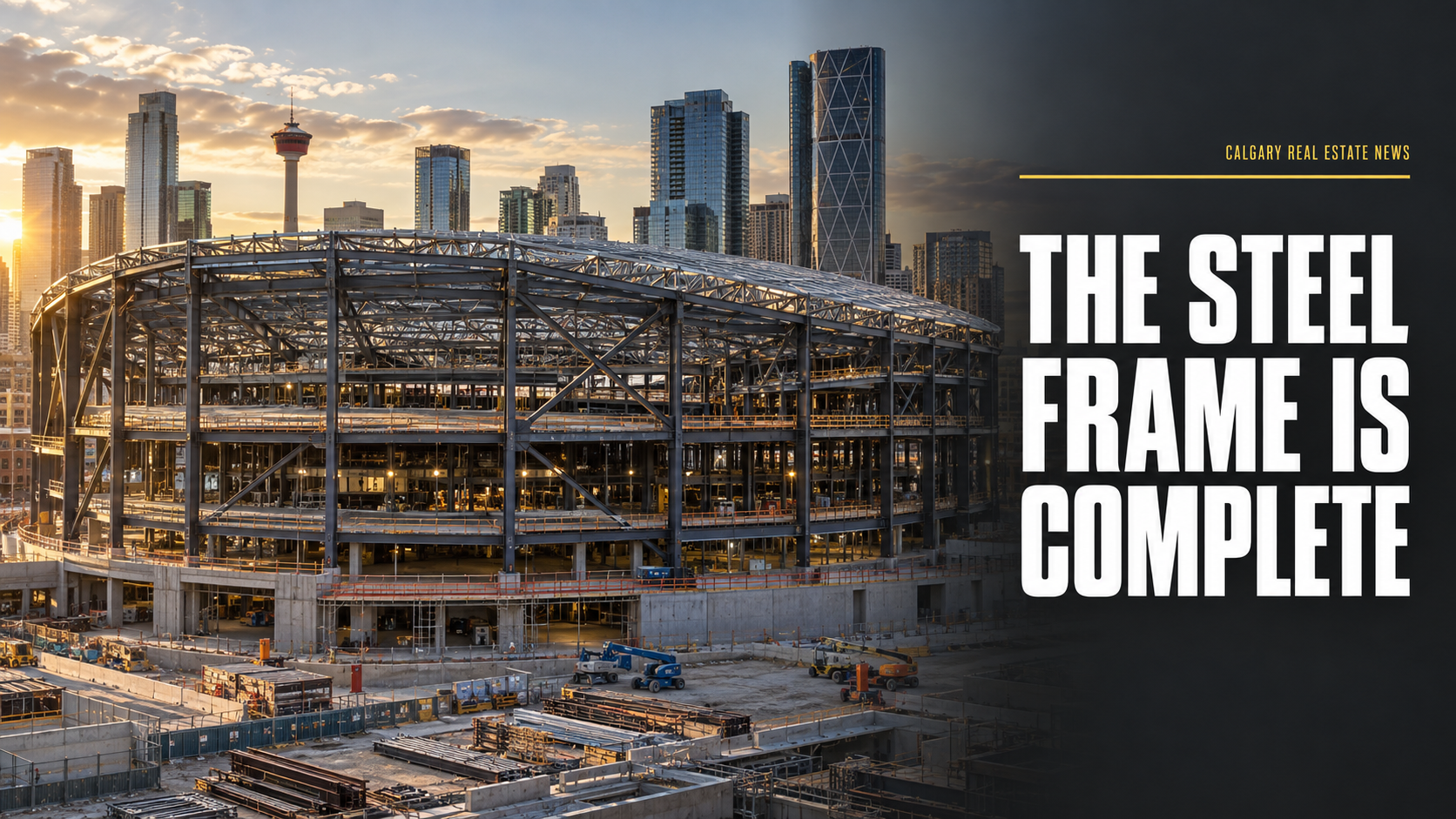
Scotia Place has its full steel frame. The district work is not finished.
The final structural steel beam is in place at Calgary's new arena. Plazas, access and the 6 Street underpass now show why the real estate story extends beyond the venue.
City and Policy · Sep 8, 2026
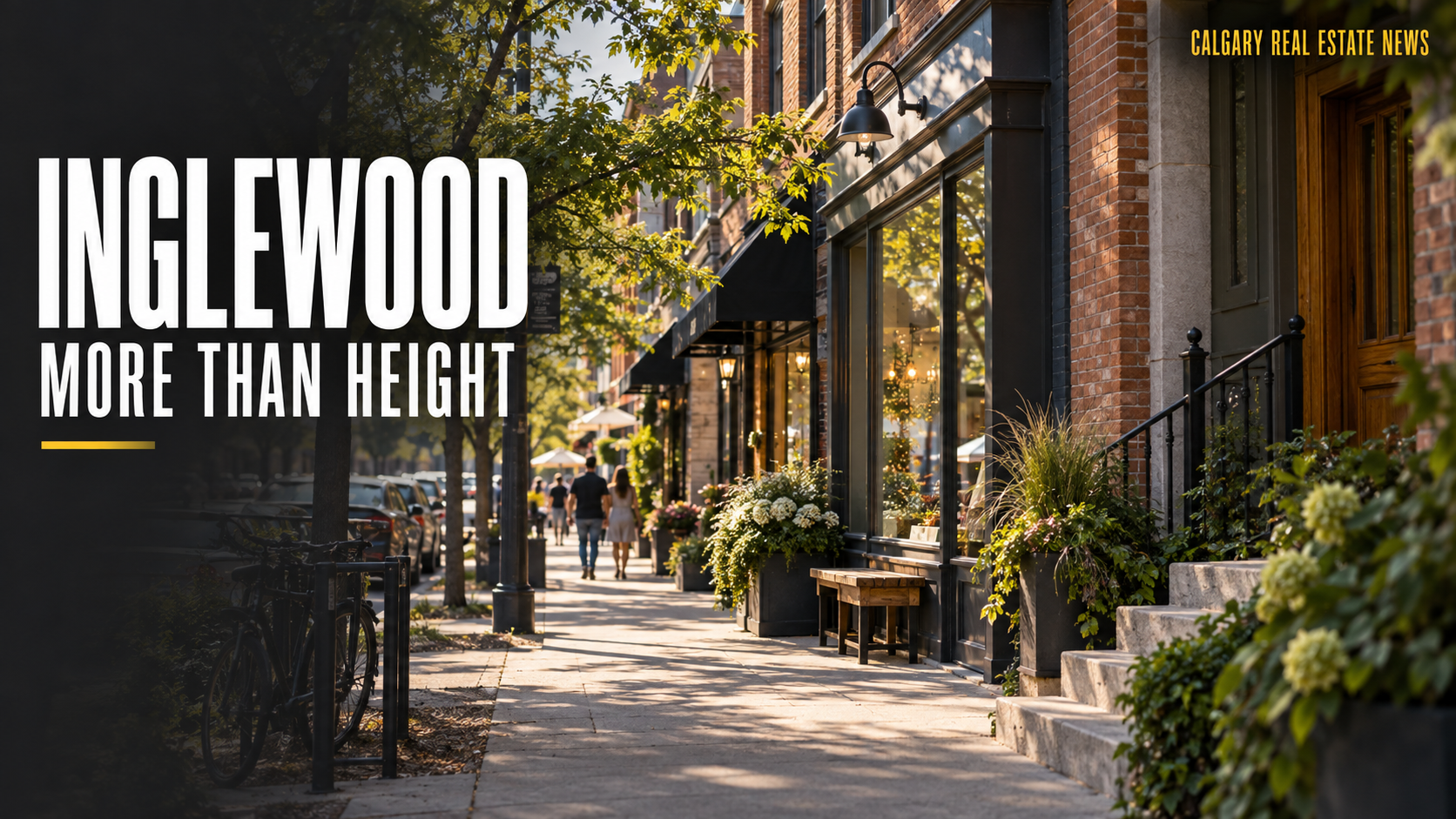
An Inglewood housing proposal has a street-level twist
A proposal advertised for Calgary's September 15 hearing would allow six storeys and a choice between homes and commercial space at ground level. The second change deserves a closer look.