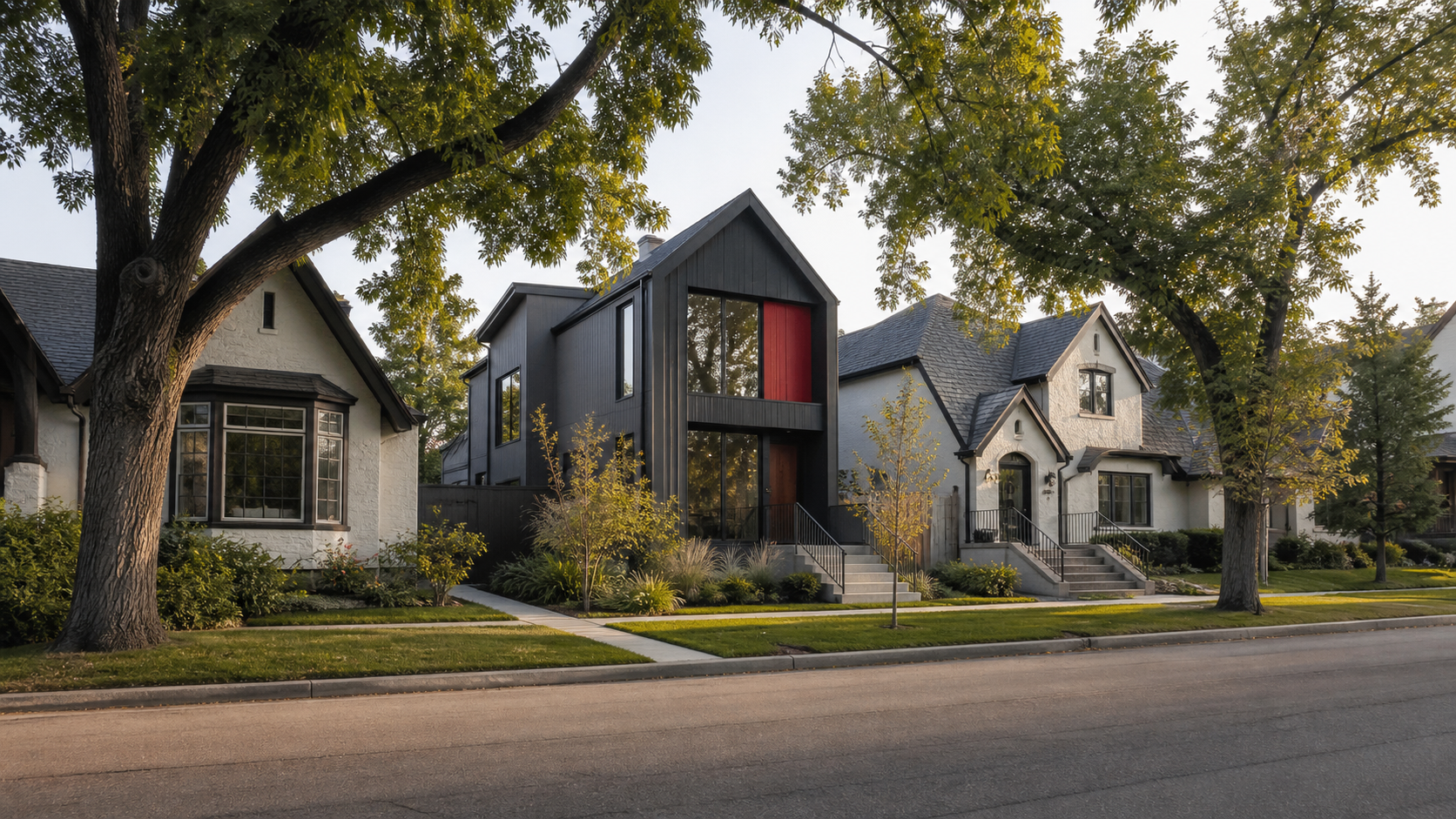
On August 4, Calgary's citywide rezoning repeal took effect for most properties, returning them to their earlier zoning while preserving certain application exemptions. The reset also changed the R-CG rulebook for future development: maximum height was reduced to 10 metres, maximum lot coverage to 55 per cent, zero-lot-line development was removed and backyard-suite parking requirements returned. Under the reverted rules, a property can no longer build both a secondary suite and a backyard suite.
A zoning map is not a permit, and the practical change is that more projects will need a property-specific read. Homeowners considering a suite, a rowhome or a major renovation now need to confirm the current district and any application timing rather than rely on a 2024 assumption. For buyers and neighbours, the immediate story is not that every lot changes overnight. It is that community plans, redesignations and approvals become more important in shaping what happens next on a block.
Read next
Follow city hall and housing coverage for related Calgary updates.
Market DashboardCheck the broader price, supply, and demand picture before making sense of one headline.
Market ReportsUse the report archive for broader Calgary context around policy and housing supply.
Latest NewsScan the newest Calgary real estate stories across every coverage desk.
Keep reading
The wider Calgary story

City and Policy · Sep 5, 2026
Westbrook's next chapter starts with a plan for the land around the station
After buying the land back in 2024, Calgary is taking another run at bringing homes, shops and public space to the station area.
 Calgary market news
City and Policy · Aug 14, 2026
Calgary's Planning Clock Is Becoming Part of the Housing Story
Approval speed rarely makes the front page, but it can shape when a Calgary idea becomes a real project and when future housing choice can reach the market.

City and Policy · Sep 22, 2026
Cochrane is planning more water capacity before the plant reaches its limit
Council approved a capital budget of up to $31.9 million for treatment-plant upgrades. Most of the cost is tied to future growth, while the borrowing bylaw still has steps left.