
Acadia, Calgary
Film archive / Oct 24, 2026
Acadia is more than its tree-lined first impression
Our October 24 community film opens on mature streets and recreation space. The City profile reveals a neighbourhood with older homes—and a much wider housing mix than one streetscape can show.
REPYYC community film / October 24, 2026
See Acadia from the street and the air
 Close the film ↑
Our October 24 Acadia film begins beneath a canopy of mature trees, then lifts over the athletic fields. It is an inviting first look at an established southeast Calgary community. It is also only one slice of the housing decision.
The useful Acadia question is not simply whether you like older streets. It is which kind of home, which era of construction and which everyday facilities fit the way you expect to live.
Most homes come from an earlier Calgary
The City's 2021 census profile counted 83 per cent of Acadia's occupied private dwellings as built in 1980 or earlier: 13 per cent in 1960 or before and 70 per cent from 1961 through 1980. That is neighbourhood context, not a condition report for the property in front of you.
Age should produce better questions, not an automatic verdict. For a detached home, ask about the roof, windows, electrical service, plumbing, sewer line, insulation, foundation and renovation permits. For an apartment or townhouse, add the corporation's financial statements, reserve-fund plan, bylaws, insurance and history of major building work.
The housing mix is wider than the street scene
Single-detached houses made up 46 per cent of occupied dwellings in the same City profile. Apartments accounted for 40 per cent, including 36 per cent in buildings under five storeys and four per cent in taller buildings. Row houses, semi-detached homes and flats in duplexes made up much of the rest.
That split changes how an Acadia search should be organized. A renovated bungalow, an older low-rise condo and a townhouse may share a community name while presenting very different ownership documents, maintenance risks, monthly costs and space tradeoffs.
The field in the film has its own rules
The aerial sequence shows Acadia Athletic Park. The City's current facility page lists three open grass fields used for flag or touch football, plus covered tennis courts operated separately. Calgary also says its athletic parks require a permit for structured sport and are not general drop-in fields.
A nearby green space can still matter to the weekly routine. The honest version is more useful than a broad amenities claim: confirm the field status, booking requirement and operator for the activity you actually have in mind.
Recreation comes in several forms
The City-run Acadia Aquatic and Fitness Centre is another distinct facility, with a pool, weights and cardio equipment, and a fitness studio. Its programs, hours and fees belong to that facility; they should not be bundled into an assumption that every recreation option in the neighbourhood works through one membership or one schedule.
The same route test applies to transit and shopping. Heritage Station, Macleod Trail, Blackfoot Trail and Deerfoot Trail help explain Acadia's position in the city, but a community-level map does not tell you the walk, bus connection or drive from a particular front door. Calgary is still studying future changes around Macleod Trail and Heritage Drive, and the current planning work is not a construction promise.
Mature character is the beginning of the tour
Acadia's tree-lined streets and recreation spaces deserve the camera time. The stronger home search starts after that first impression: separate the bungalow from the apartment, the neighbourhood's age from the home's condition, and the amenity on the map from the access you can actually use.
Our film gives Acadia twelve seconds of atmosphere. The City records make the next conversation more specific—which is exactly what a useful community feature should do.
Continue reading
Neighbourhoods · Film launched · Oct 17, 2026
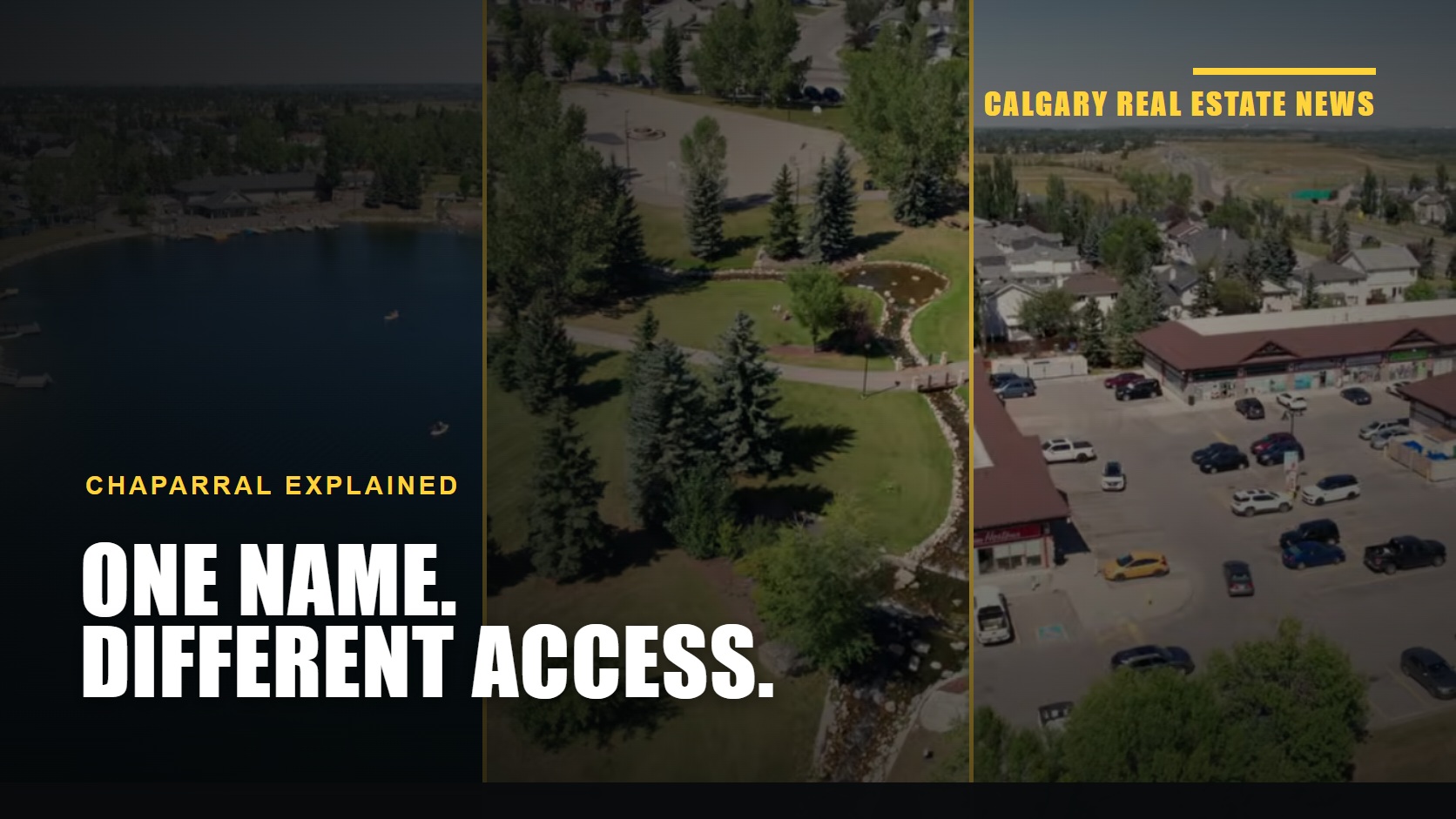
Chaparral's lake is the postcard. The address still matters.
Our October 17 Chaparral film shows the lake, paths and everyday stops. The useful buyer question is which association—and which access—belongs to the home.

Market Data ·
Calgary's 2025 rents did not move together
Bachelor occupied rents rose 5.5 per cent, while one-bedroom rents edged down and larger units barely moved. The split is more useful than one citywide headline.

Market News ·
Detached homes steadied Calgary's September. Condos still carried the choice.
Calgary's resale market held close to its August pace, but the experience underneath the citywide total ranged from just over three months of detached supply to more than five for apartments.