Calgary, Alberta
Calgary's $53-a-month budget estimate is still a proposal
The City's model adds $37 in municipal property tax and $16 in utilities, while the final bill still depends on Council, assessment and use.

Fifty-three dollars a month is the number most likely to travel from Calgary's proposed 2027–2030 budget. It is useful. It is also an estimate built for one model household, not a bill that has already landed at every front door.
The City presented the plan to Council on November 10. For its typical single residential property, the model adds $37 a month in municipal property tax and $16 a month in water, waste and recycling charges. The combined change is about $53 a month, taking those modeled City costs from $369 to $422.
| City cost | 2026 model | 2027 proposal | Monthly change |
|---|---|---|---|
| Municipal property tax | $229 | $266 | +$37 |
| Water, waste and recycling | $140 | $156 | +$16 |
| Combined | $369 | $422 | +$53 |
The $53 belongs to one model, not every door
The tax estimate uses a single residential property assessed at Calgary's median: $706,000 for 2026 and $688,000 for 2027. The utility estimate assumes a typical metered household using 19 cubic metres of water. A different assessment, consumption pattern or property class will produce a different result.
That is also why the proposed 15 per cent increase in municipal property-tax revenue from existing properties should not be pasted onto every tax bill. It describes the revenue the City says the plan requires. An individual owner's municipal amount will still depend on the final budget, finalized assessment and the tax rate Council adopts. The provincial education-tax portion is a separate line.
The other side of the proposal is a growth program
The plan pairs the household increase with a $6-billion operating budget in 2027 and $21 billion in recommended capital over four years, including $13 billion for new infrastructure. The property consequence is broader than the tax line: water, transportation, emergency response, parks and recreation all shape where growth can be served.
For housing, the City's highlights list $109 million for housing partners, $36 million for non-market housing and $18 million for Indigenous housing projects. They also identify eight new-community Growth Applications with the potential to enable more than 16,000 homes.
Those are proposed allocations and potential capacity, not 16,000 completed homes. Budget approval does not replace land-use decisions, servicing, permits, construction or occupancy. The useful question is not only how much is listed, but which projects clear each later stage and what kind of housing reaches people.
Council has not passed the final bill
Public submissions begin November 23, followed by Council deliberations. Final approval is expected after debate in December. Until then, the tax, utility and investment figures are the administration's proposed starting point and can change.
For a Calgary household making a 2027 plan, the honest working number is therefore both specific and conditional: $53 a month in the City's example, split between tax and utilities, with the actual address-specific result still to come.
Continue reading

City and Policy · Historical event · Dec 3, 2025
The tax increase got smaller. The homeowner's budget still had more lines.
December's budget decision eased Calgary's proposed municipal tax increase. Reading it beside utility costs makes for a more useful household conversation.
 Market guide
Market Education ·
Renovate or Move? The Calgary Questions That Make the Decision Less Emotional
A Calgary homeowner framework for deciding whether a renovation can solve the real problem, or whether a move creates a better next chapter.
City and Policy ·
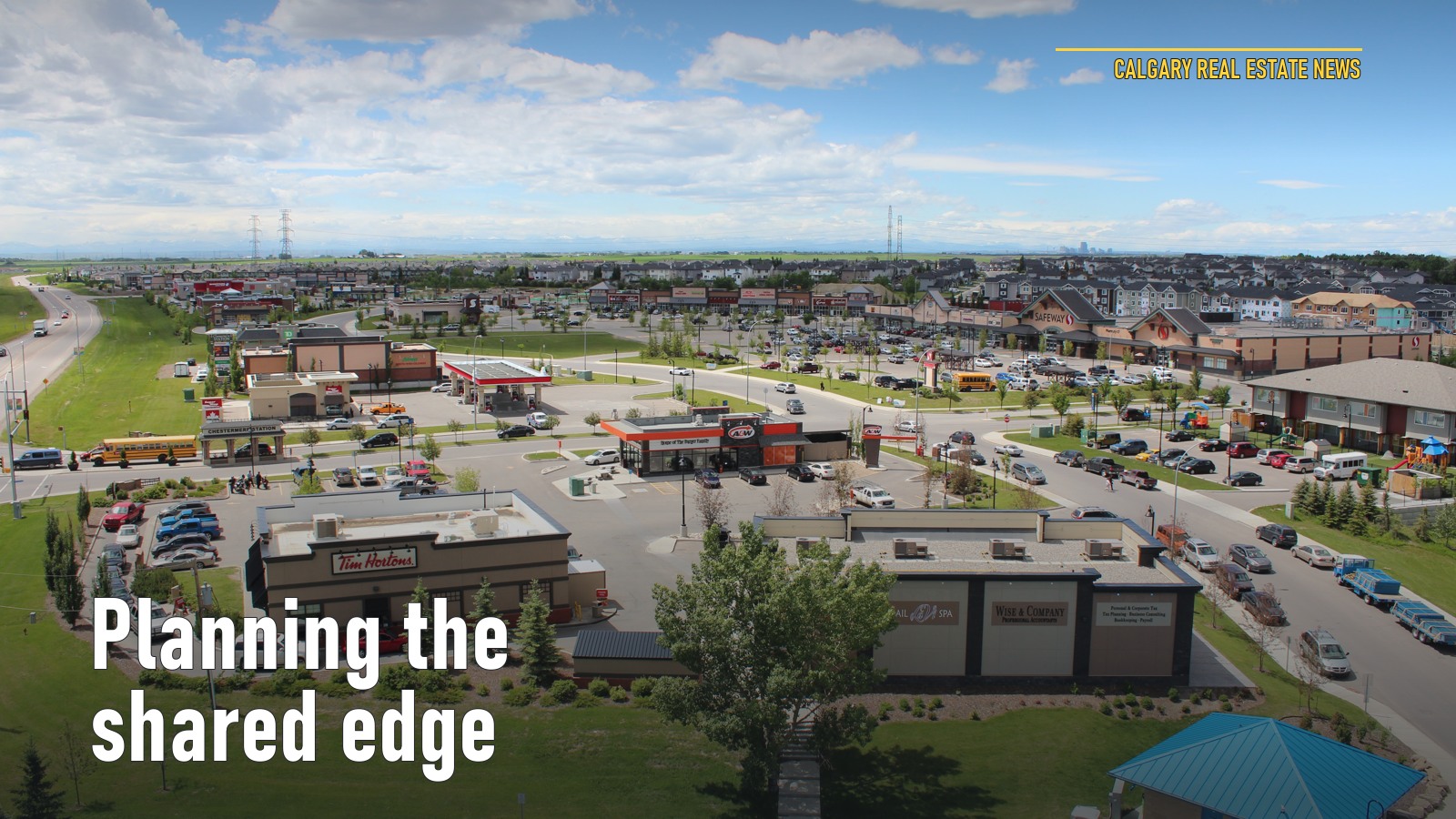
Calgary and Chestermere ask how their shared edge should grow
A survey open through December 21 asks where the shared planning area should extend and which connections the two cities should work on together.